3/30/26: TDW
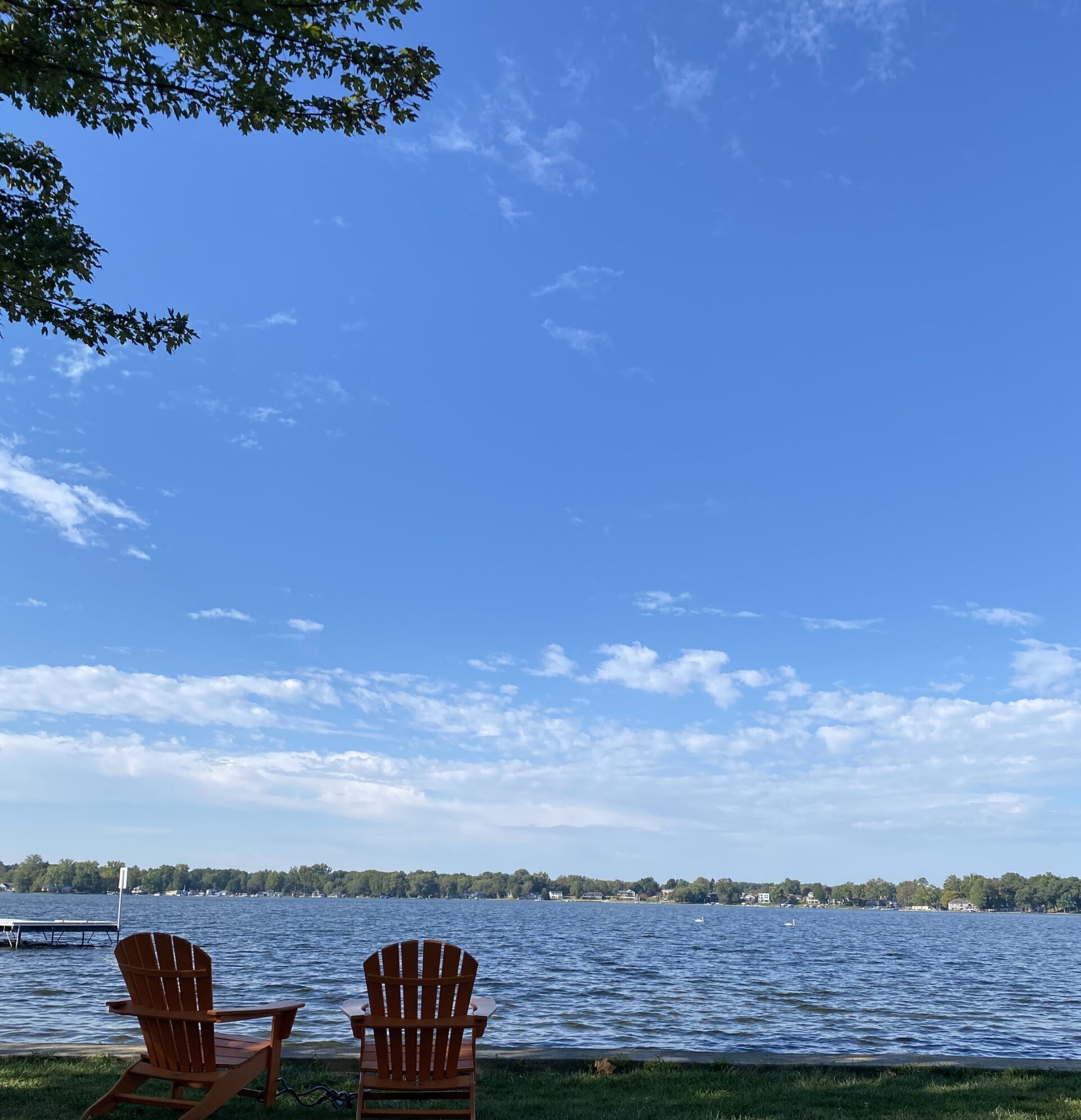
Three Beyer brothers searched for land in 1881 where they could establish their egg and creamery business. The acreage along the eastern and southern shores of Eagle Lake in Kosciusko County, Indiana, seemed ideal. They could build springhouses over the many artisan wells and natural springs to provide natural refrigeration for their product. After several years, however, they realized the lakeside property had recreational potential and they began developing an amusement park they named Spring Fountain Park.

Spring Fountain Park contained racetracks, military parade grounds, a toboggan slide down into the lake, a switchback railway, a cyclorama building, and much more. And the town became a Chautauqua center, featuring lectures, concerts, educational courses, and theatrical events. Some summers as many as 250,000 people came, primarily by rail, to programs that featured world-class talents such as William Jennings Bryan, Will Rogers, John Philip Sousa, the New York Philharmonic, stars of the Metropolitan Opera, and more.
In 1894 the Beyer Brothers sold their land to a group headed by Presbyterian minister Solomon Dickey, who immediately changed the name to Winona Lake. Dickey kept the Chautauqua programs going, but he began adding one week of Bible conference, then two, and finally the Bible conference eclipsed the Chautauqua programming and Winona became known as the home of the world’s largest Bible conference. In 1911 the famous “baseball evangelist,” Billy Sunday, moved to Winona Lake with his wife
and four children. Over his lifetime, Sunday spoke to more than 100 million people in his evangelistic crusades. His song leader and platform manager, Homer Rodeheaver, also moved to Winona Lake and established a gospel music publishing company that became one of the world’s largest, owning more than 6,000 copyrights of hymns and gospel songs.
The Chautauqua programming faded in the 1940s, but the Bible conference spawned an international
youth ministry, named Youth for Christ, which was founded in Winona’s Westminster Hotel in 1944.
YFC’s first employee was Billy Graham, who later launched his international evangelistic ministry from an all-night prayer meeting in that same Westminster Hotel in 1949.
Grace Theological Seminary was founded in 1936, and located in Winona Lake permanently in 1939, eventually founding Grace College as its undergraduate liberal arts component. After some years of decline in housing and infrastructure, an ambitious plan for the town’s redevelopment was conceived by a young entrepreneur, Brent Wilcoxson. Teaming up with Dr. Dane Miller, one of the co-founders of the orthopedic giant Biomet, Wilcoxson and Miller masterminded the redevelopment of Winona into the Village at Winona we enjoy today, with shops along the canal, two world-class restaurants, a verdant greenway graced by public art and sculptures, and much more. The Village at Winona is the product of the town’s rebirth between 1990 and 2000.